


Social media has become an important part of how diners discover restaurants, evaluate menu options, and decide where to eat or order. Restaurants use platforms such as Facebook, Instagram, TikTok, and YouTube to promote dishes, build social proof, attract reservations, and support delivery sales.
With U.S. restaurant and foodservice sales projected to reach $1.5 trillion in 2025, competition for digital attention remains significant. The following statistics examine how social media influences restaurant discovery, engagement, reviews, advertising, and dining decisions, with particular attention to Gen Z and millennial consumers.
Editor’s Choice
- A 2026 analysis of U.S. dining behavior found that 64% of guests tried a new restaurant within the previous month in 2025, compared with 39% in 2024. That represents a 25-percentage-point increase in restaurant experimentation.
- 94% of U.S. diners said they use online resources, including search, social media, and digital media, to discover restaurants. Digital visibility now touches nearly the entire restaurant discovery market.
- In a nationwide 2025 dining study, 77% of Gen Z consumers said they typically discover new restaurants through social media.
- The same research found that 67% of millennials typically hear about new restaurants through social platforms, confirming that social discovery extends beyond Gen Z.
- Among surveyed Gen Z and millennial consumers, 73% had visited a restaurant during the previous three months because of a social media review.
- More than half of U.S. consumers, 56%, reported ordering a restaurant item for delivery after it became popular or trended on social media.
- Across consumers surveyed in the U.S., U.K., and Australia, 35% preferred social media as their first source when searching for local restaurants and activities.
- Social content influenced a purchase during the previous six months for 90% of Gen Z consumers surveyed in 2025, illustrating the broader commercial power restaurants can tap when targeting younger customers.
Recent Developments
- By 2025, 37% of U.S. adults used TikTok, up from 21% in 2021. The figure, published in 2026, shows that TikTok adoption nearly doubled in four years.
- TikTok penetration reached 63% among U.S. adults younger than 30, making it especially important for restaurants whose customer base skews young.
- YouTube remained the broadest major social platform, with 84% of U.S. adults reporting use in 2025.
- Facebook still reached 71% of U.S. adults, which helps explain why it remains relevant to restaurants seeking broad local audiences rather than only younger diners.
- Instagram reached 50% of U.S. adults in 2025, giving visual restaurant content access to half of the adult population.
- Food and beverage brands averaged approximately 8 social posts per day in a 2025 cross-platform content benchmark. The figure reflects how competitive restaurant-related social feeds have become.
- Food and beverage accounts averaged about 50 inbound engagements per day in the same benchmark, including audience interactions generated by published content.
- Although 49% of diners in one 2025 study used social media to find restaurants, only 8% said influencers were a restaurant-discovery source. The gap suggests that customer posts, restaurant-owned content and peer recommendations can matter separately from paid creator campaigns.
Restaurant Social Media Usage Statistics
- Among millennials surveyed about restaurant influencer reviews, 63% said they trust them, only slightly below the Gen Z rate.
- Trust dropped to 45% among Gen X consumers, demonstrating why influencer-led restaurant campaigns may perform differently across generations.
- Only 28% of baby boomers said they trust restaurant influencer reviews, widening the generational gap further.
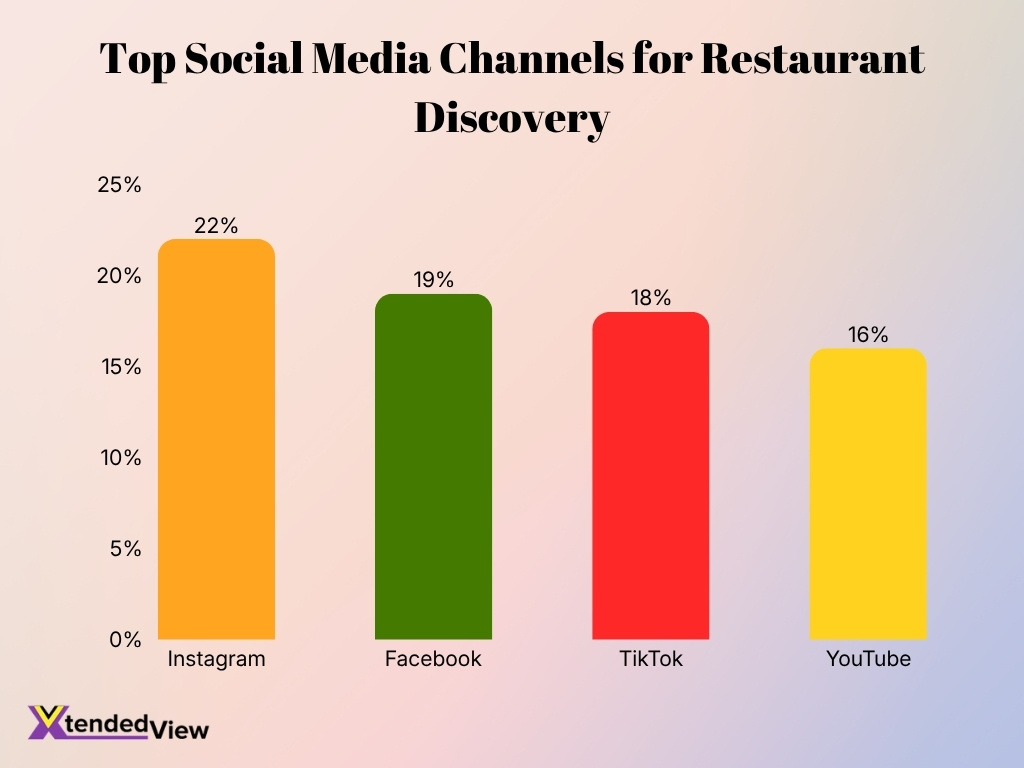
- In 2025, 22% of consumers identified Instagram as a social channel they use to discover new restaurants.
- Facebook accounted for 19% of restaurant discovery in the same study, indicating that established social networks remain relevant even as video-first platforms grow.
- TikTok accounted for 18% of restaurant discovery among surveyed consumers, with usage concentrated more heavily among younger diners.
- YouTube accounted for another 16% of restaurant discovery, highlighting the role of longer video, Shorts, and creator-led food content.
- Separate U.S. research found that 45% of Gen Z diners used social media for restaurant discovery, the highest share among the generations studied in that dataset.
Why Social Media Matters for Restaurants
- Across age groups, 76% of consumers surveyed in 2025 said social content, including ads, creator posts and brand content, influenced a purchase during the previous six months.
- Among millennials, that purchase-influence rate reached 84%, making social content particularly relevant for restaurants targeting adults in this generation.
- 41% of Gen Z consumers said they turn to social platforms first when searching for information, ahead of other information sources.
- Only 32% of Gen Z consumers in the same research said traditional search engines were their first choice, illustrating how social search is altering digital discovery habits.
- Across generations, 37% of consumers preferred social platforms first when looking for product reviews and recommendations. Restaurant reviews and menu recommendations fit naturally into this behavior.
- Among Gen Z and millennial restaurant consumers, 55% said social media reviews were the top reason they tried a restaurant.
- Another 43.7% of Gen Z and millennial consumers said they go to social media first when seeking restaurant recommendations.
- Influencer reviews also retain substantial trust within younger audiences: 67% of Gen Z consumers said they trust restaurant influencer reviews in a 2025 consumer study.
Platform Usage Statistics for Restaurants
- TikTok ranked as the No. 1 restaurant discovery channel for Gen Z at 38% in 2025 U.S. diner research published in 2026. It even ranked ahead of word of mouth for that generation.
- Among U.S. adults ages 30 to 49, 44% used TikTok in the latest available national usage data.
- TikTok usage fell to 30% among adults ages 50 to 64, illustrating the platform’s age gradient.
- Among adults 65 and older, TikTok usage stood at just 12%, so restaurants focused on older diners may gain more reach elsewhere.
- YouTube usage reached 92% among Asian American adults who speak English, the highest measured rate among the racial and ethnic groups reported in the 2025 national social media survey.
- Instagram usage reached 62% among Hispanic U.S. adults, compared with lower rates among several other demographic groups in the same national survey.
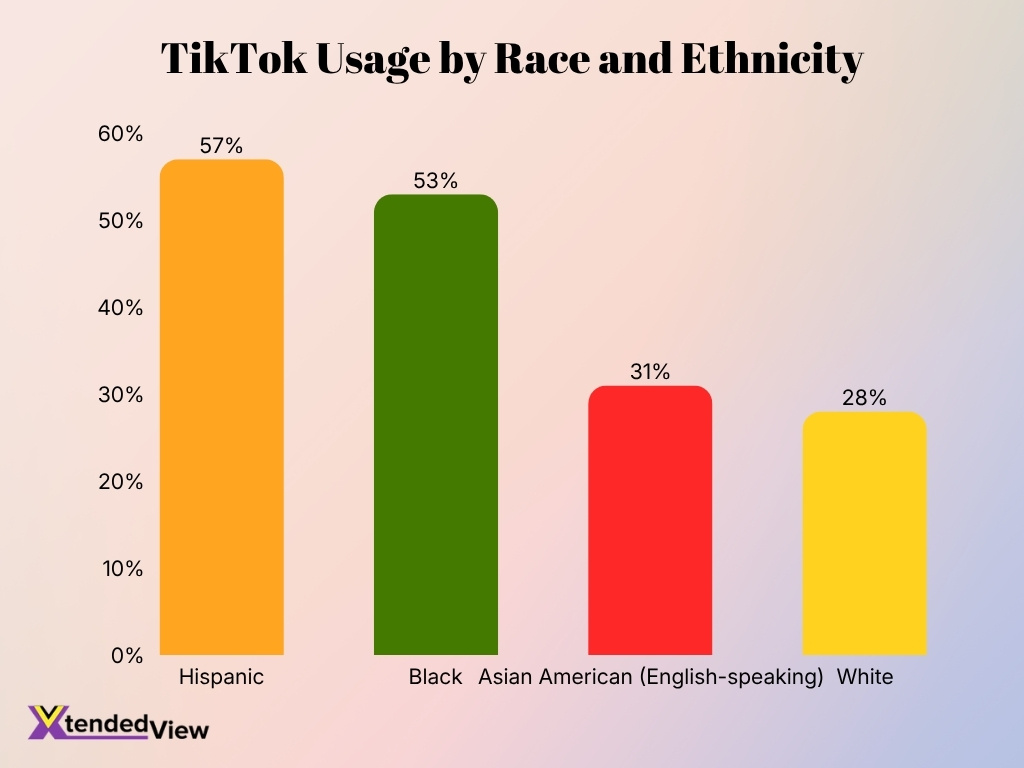
- TikTok usage reached 57% among Hispanic adults and 53% among Black adults, indicating substantial demographic variation that restaurants should consider when planning local campaigns.
- Reddit reached 44% of English-speaking Asian American adults in the national survey, illustrating that restaurant conversations can extend beyond the four largest visual and video platforms.
- Instagram, TikTok, YouTube, and Facebook should not be treated as interchangeable discovery channels: 2025 research found Gen Z favored TikTok, millennials favored Instagram, and Gen X and baby boomers favored Facebook for restaurant discovery.
Social Media’s Impact on Restaurant Discovery
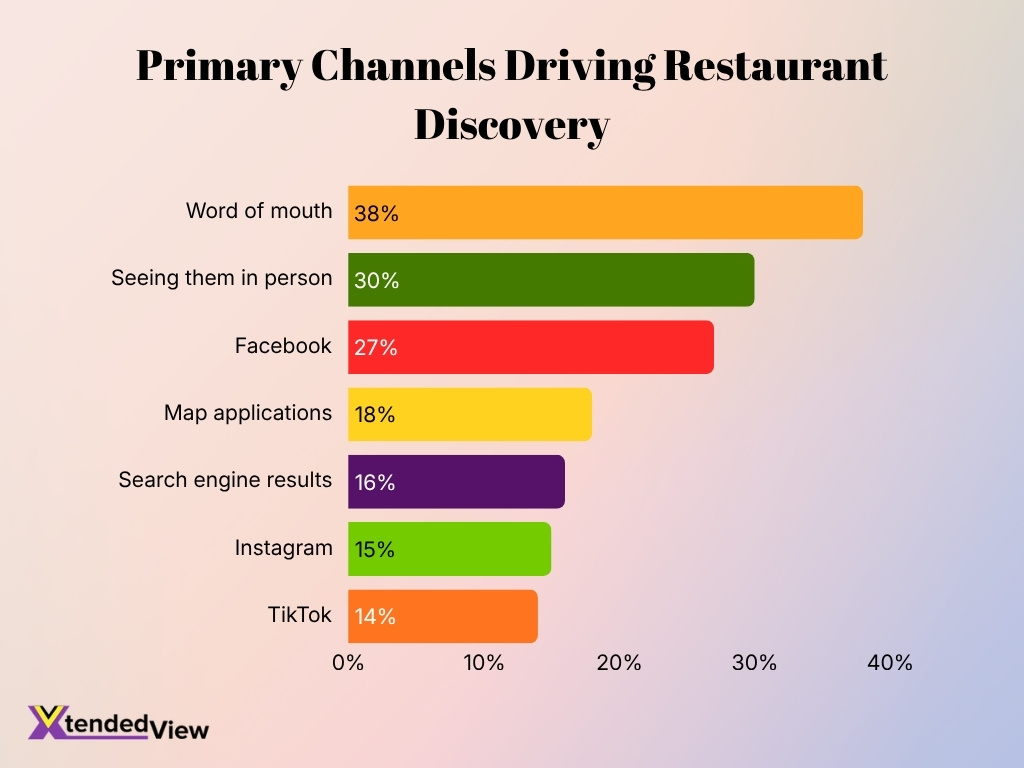
- A 2026 report based on 2025 U.S. diner research found 38% of guests discovered restaurants through word of mouth, making personal recommendations the largest single channel measured.
- Another 30% discovered restaurants by seeing them in person, showing that storefront visibility still competes strongly with digital marketing.
- Facebook generated restaurant discovery for 27% of surveyed U.S. diners, making it the largest social platform in that particular all-age study.
- Map applications contributed to discovery for 18% of diners, emphasizing the importance of accurate location information alongside social profiles.
- Search engine results drove discovery for 16% of surveyed diners, showing that restaurant discovery now spreads across search and social rather than following one digital path.
- Instagram helped 15% of surveyed diners discover restaurants in the same study.
- TikTok accounted for 14% of restaurant discovery across the full U.S. sample, but its influence became far stronger when the researchers isolated Gen Z.
- When diners moved from awareness to deciding whether to visit, 55% cited price and value as an important factor. Social posts that communicate prices and offers can therefore support conversion as well as awareness.
- Food quality influenced the restaurant visit decision for 51% of diners, reinforcing the value of social content that visibly demonstrates dishes rather than relying only on promotional claims.
Facebook Statistics for Restaurant Marketing
- In 2025, 78% of U.S. women reported using Facebook, compared with 63% of men. Restaurants with a female-skewing customer base can still reach a substantial audience through the platform.
- Facebook usage reached 80% among U.S. adults ages 30 to 49 in 2025, the highest rate among the age groups measured.
- Among adults ages 50 to 64, 74% used Facebook, giving restaurants access to an older customer segment that uses Instagram and TikTok at much lower rates.
- Even among Americans ages 65 and older, 57% used Facebook in 2025. That makes Facebook one of the few major social platforms with majority penetration among seniors.
- Facebook remained popular among younger adults as well, with 68% of people ages 18 to 29 saying they used it.
- Daily Facebook activity remains particularly strong among adults ages 30 to 49: 58% used the platform every day in 2025.
- Among people ages 50 to 64, 54% visited Facebook daily, which supports its value for recurring restaurant promotions, event announcements, and local updates.
- Food and beverage benchmarking in 2025 found that photo posts performed especially well on Facebook relative to other content formats in the category, reinforcing the value of clear food photography and product imagery.
Instagram Statistics for Restaurants
- Instagram reached 80% of U.S. adults ages 18 to 29 in 2025. Few major platforms offer restaurants comparable reach within this age group.
- Among adults ages 30 to 49, Instagram usage stood at 62%, giving restaurants substantial access to both younger millennials and Gen X consumers.
- Usage dropped to 40% among Americans ages 50 to 64, illustrating why audience age should influence a restaurant’s platform mix.
- Only 19% of adults ages 65 and older reported using Instagram in 2025, compared with much higher usage on Facebook and YouTube.
- Instagram reached 55% of U.S. women, compared with 44% of men. Restaurants can factor this gender difference into audience planning and campaign targeting.
- Usage climbed to 62% among Hispanic U.S. adults, one of the highest Instagram adoption rates among the demographic groups measured.
- Among Black U.S. adults, 54% used Instagram in 2025, providing another indication of the platform’s broad demographic reach.
- Across industries, the median Instagram engagement rate in a 2025 benchmark was approximately 0.36%, while brands in the top-performing quartile achieved roughly 1.02%.
- Food and beverage brands generated their strongest Instagram engagement from carousel posts, while Reels also produced strong performance in the 2025 industry benchmark.
TikTok Statistics for Restaurant Marketing
- In 2025, 42% of U.S. women reported using TikTok, compared with 30% of men.
- TikTok usage reached 53% among Black U.S. adults, considerably above the rate among White adults.
- Among Hispanic adults, TikTok penetration reached 57%, one of the platform’s strongest demographic usage rates.
- Among English-speaking Asian American adults, 31% used TikTok in 2025.
- TikTok usage among White adults stood at 28%, demonstrating substantial audience differences by race and ethnicity.
- About 24% of all U.S. adults used TikTok daily in 2025, giving restaurants repeated opportunities to reach active users rather than occasional visitors.
- A 2025 social benchmark placed food and beverage among TikTok’s top-performing industries, with an engagement rate of about 2.04%.
- A restaurant campaign generated 115,000 coupons and produced 12% more restaurant visits when TikTok activity worked alongside out-of-home advertising.
- A 2025 restaurant campaign generated a 4.9% engagement rate, 38 million video views, and more than 2,000 user-created videos, demonstrating the scale participatory food campaigns can achieve.
- In a 2026 restaurant campaign, TikTok advertising produced a 22% lift in ad recall, an 11% lift in awareness, and 25% higher average watch time for a beverage promotion.
YouTube and Pinterest Statistics for Restaurants
- YouTube reached 95% of U.S. adults ages 18 to 29 in the 2025 national survey, making it the most broadly used platform among young adults.
- Among adults ages 30 to 49, YouTube penetration remained almost as high at 92%.
- YouTube usage reached 85% among adults ages 50 to 64, well above Instagram and TikTok within the same age bracket.
- Even among adults 65 and older, 64% used YouTube, showing its unusually broad age distribution.
- One-third of U.S. adults, 33%, said they visited YouTube several times per day in 2025. Frequent usage gives food videos and restaurant content multiple opportunities to reach viewers.
- Pinterest reached an all-time high of 578 million global monthly active users in the second quarter of 2025, an 11% year-over-year increase.
- U.S. and Canadian Pinterest monthly users reached 102 million during the same quarter, up 5% from 98 million a year earlier.
- Pinterest’s Gen Z audience grew to more than half of its total user base by mid-2025, making the platform increasingly relevant for restaurants and food brands seeking younger consumers.
- Pinterest generated $998 million in quarterly revenue in Q2 2025, up 17% year over year, reflecting continued advertiser demand and commercial activity on the platform.
Social Media’s Effect on Restaurant Revenue and Sales
- One restaurant launch campaign generated more than 700 bookings after accumulating 1.5 million TikTok content views.
- The same campaign produced a 29.74x return on ad spend, showing that tightly targeted local social advertising can translate attention into bookings.
- Its cost per restaurant booking fell to just £1.83, providing a measurable customer-acquisition benchmark from a real restaurant campaign.
- A fast-food chain’s full-funnel social campaign generated 40,000 app installs, expanding the digital audience available for direct ordering.
- The same campaign increased app sales by 27.5% while producing a 17x return on ad spend.
- Total sales for that restaurant brand increased 31.85% during the campaign period, providing a direct example of social activity coinciding with measurable sales growth.
- Another restaurant campaign increased website traffic by 18% within 24 hours and delivered a 95% more efficient cost per acquisition than the comparison benchmark.
- A 2025 restaurant campaign generated 187,000 interactions and a 14% increase in transactions, connecting social engagement with actual purchasing behavior.
- One 2026 food and restaurant campaign recorded an 80.4% increase in revenue alongside a 77.6% increase in transactions and a 51.8% improvement in return on ad spend.
- In another restaurant marketing example, a flagship location recorded $2.08 million in net sales from March through December 2025, up 16.26% from the prior period alongside increased promotional and social activity.
How Social Media Content Influences Restaurant Choices
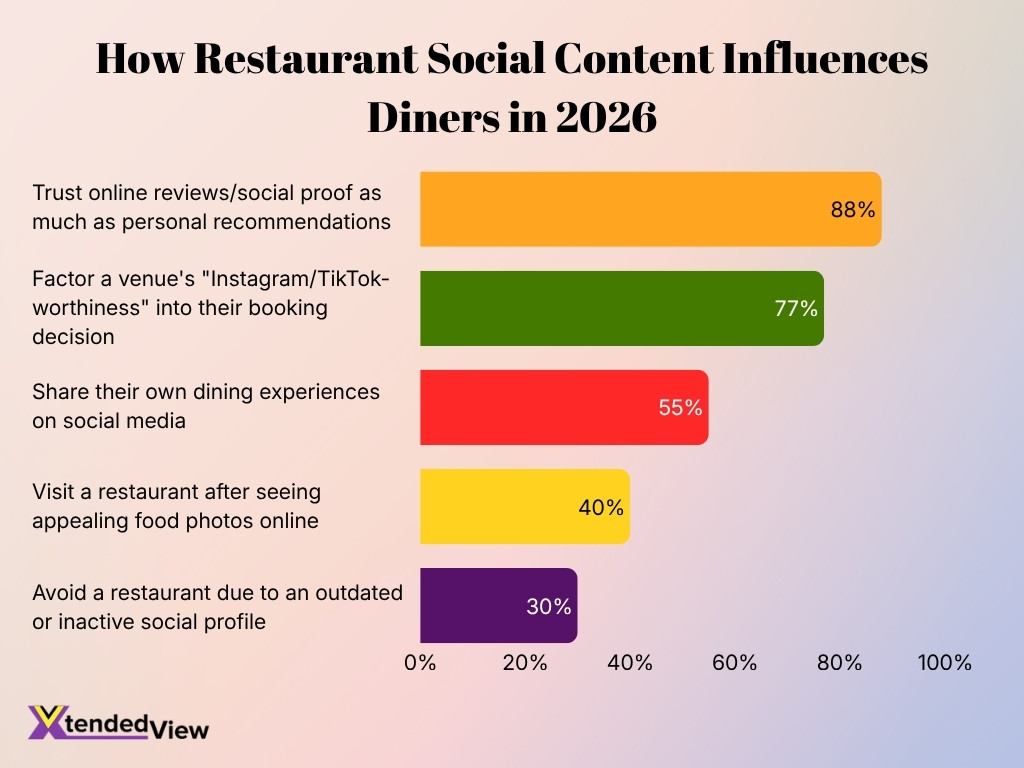
- 88% of diners trust online reviews and social proof as much as personal recommendations, highlighting the importance of a strong digital reputation.
- 77% of Gen Z and Millennials consider whether a restaurant is Instagram- or TikTok-worthy when making a booking decision.
- More than half of diners, 55%, share their own restaurant and dining experiences on social media, extending a venue’s organic reach.
- 40% of diners have visited a restaurant after seeing appealing food photos online, showing the influence of visual content on foot traffic.
- Around 30% of diners may avoid a restaurant if its social media profile is outdated or inactive, making consistent social activity important for attracting customers.
Online Reviews and Social Proof Statistics
- 96% of U.S. consumers surveyed in 2025 said they were open to writing a local business review, leaving restaurants with a large potential pool of customer-generated social proof.
- 29% of consumers reported writing reviews about both positive and negative experiences in 2025, up from 25% a year earlier.
- About 20% of consumers considered reviews from within the previous two weeks especially relevant to their decisions, although that share declined by 7 percentage points from 2024.
- Roughly 10% of consumers said review recency did not affect their decision at all, suggesting that some diners still find older customer experiences useful.
- 42% of consumers trusted online reviews as much as recommendations from friends and family in 2025, down sharply from 79% in 2020.
- More than three-quarters of U.S. consumers watched video when researching local businesses, showing that review behavior increasingly extends beyond written comments and star ratings.
- 31% of consumers watched social videos created by everyday users while researching local businesses, giving customer-created restaurant content a meaningful role in validation.
- 74% of consumers used two or more sources when checking reviews before choosing a local business, while 40% said they used at least two on average.
- 92% of consumers found review keyword filters and photos useful to some degree, highlighting the importance of detailed, visually supported customer feedback.
- When businesses respond to reviews, response speed matters: 63% of consumers expected a reply within two or three days to one week.
User-Generated Content and Influencer Marketing Statistics
- 64% of social media users said they would be willing to buy more from a brand when it partners with an influencer they like, according to 2025 research.
- Sponsored influencer content outperformed brands’ organic content for engagement, according to 90% of marketers surveyed in the first quarter of 2025.
- Another 83% of marketers said sponsored influencer content performed better for conversions than organic posts on their brands’ own accounts.
- Among Gen Z social users, 53% bought a product or service through an influencer-sponsored post during the previous 12 months, according to a third-quarter 2025 survey.
- Consumers still place limits on commercialization: 35% of social users said an acceptable balance was one sponsored influencer post for every five nonsponsored posts.
- Only 23% of social users were very confident they could distinguish a sponsored influencer post from an organic one in a 2025 survey, highlighting the importance of transparent disclosures.
- Human-created content retains an advantage as AI content expands: 55% of social users said they were more likely to trust brands committed to publishing content created by humans.
- Meanwhile, 52% of social users expressed concern about brands publishing AI-generated social content without disclosing that AI was used. For restaurants, genuine customer photos, employee videos, and creator experiences can therefore carry additional credibility.
- Restaurant-specific research reinforces the point: 55% of surveyed Gen Z and millennial consumers said social media reviews were the top reason they tried a restaurant.
Video and Photo Content Preferences
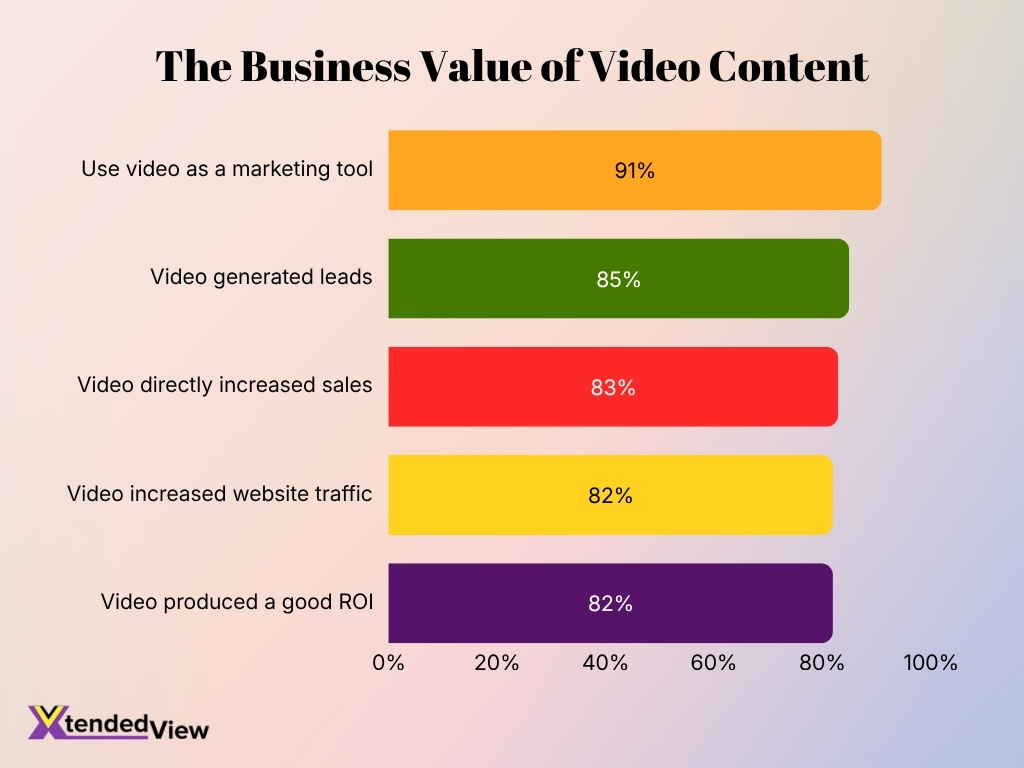
- In 2026, 91% of businesses reported using video as a marketing tool, returning video adoption to its joint all-time high in a 12-year tracking study.
- 82% of video marketers said video produced a good return on investment in 2026.
- 83% of video marketers said video directly increased sales, making video commercially relevant beyond views and engagement alone.
- Another 85% said video generated leads, while 82% credited video with increasing website traffic. Restaurants can use those outcomes to move social viewers toward reservations, menus, and ordering pages.
- 71% of respondents believed videos between 30 seconds and two minutes were the most effective length, supporting concise menu demonstrations, kitchen clips, and restaurant tours.
- Food and beverage content recorded a 44% increase in Instagram views in a 2026 industry benchmark, although engagement rate declined from 3.3% to 2.5%.
- TikTok food and beverage content recorded 35% growth in both views and reach, strengthening the case for short, visually driven restaurant content.
- YouTube Shorts views for food and beverage brands jumped 152%, while on-demand video views declined 6% in the same 2026 benchmark.
- Static content has not disappeared. A 2025 benchmark found Instagram carousels generated the highest engagement for food and beverage brands, while Facebook photo posts also stood out within the category.
- Nearly 60% of Gen Z restaurant diners said “what I ordered” videos made them want to try a new restaurant, directly connecting visual food content with restaurant consideration.
Content Performance and Engagement Statistics
- A 2025 benchmark analyzed more than 4 million posts and 9 billion likes, comments, and shares across major social platforms, providing a large dataset for measuring brand performance.
- The study covered 2,100 brands across 14 industries, including food and beverage businesses.
- Overall Facebook engagement declined 36% year over year in the 2025 benchmark, although food and beverage was one of the categories that recorded a small improvement.
- Instagram engagement across industries fell 16%, showing that restaurants face increasing competition for organic interactions even on highly visual platforms.
- TikTok engagement declined 34% year over year, yet the platform still generated higher engagement than the other major platforms covered by the benchmark.
- X experienced the largest overall engagement decline at 48%, while food and beverage engagement on the platform approached zero in the benchmark.
- Current 2026 food and beverage tracking shows brands averaging about 6.1 posts per week in the measured landscape.
- Those food and beverage posts currently generate an average of approximately 336 engagements per post, illustrating the interaction scale available to established brands.
- A separate 2026 benchmark places median food and beverage engagement at 2.2% across measured platforms, while the food category specifically records 1.5%.
- Within that 2026 dataset, quick-service restaurant accounts record a median engagement rate of 1.5%, with TikTok and Instagram each reaching 2.1%.
Social Media Advertising Statistics for Restaurants
- One restaurant opening campaign generated more than 1.5 million content views through locally targeted short-form content and paid amplification.
- The campaign converted that exposure into more than 700 restaurant bookings between August and November.
- Its reported return on advertising spend reached 29.74x, while the cost per booking fell to £1.83.
- A January 2025 restaurant campaign generated 115,000 coupons by combining social advertising with out-of-home marketing.
- The same campaign produced 12% more restaurant visits and a 28-point incremental lift in positive brand association.
- A November 2025 restaurant campaign produced a 10.3% lift in ad recall, a 3.8% lift in awareness, and a 2.2% lift in purchase intent among the targeted audience.
- A February 2026 restaurant beverage campaign generated a 22% lift in ad recall and an 11% lift in brand awareness.
- That 2026 campaign also generated 25% higher average watch time, showing how contextual ad placement can affect attention as well as awareness.
- A July 2026 foodservice campaign measured more than 56,000 incremental restaurant visits, alongside a 6.6% lift in store visits and a €1.66 cost per incremental visit.
- Another 2026 food and beverage campaign reported a 28.6% increase in return on ad spend, a 245.7% increase in click-through rate, and a 45.4% rise in conversions.
Gen Z and Millennial Restaurant Social Media Behavior
- In a nationally representative 2025 dining study, 77% of Gen Z diners said they typically learned about new restaurants through social media.
- Among millennials, 67% typically discovered new restaurants through social media, putting the generation 10 percentage points behind Gen Z but still well above a majority.
- 72% of Gen Z diners trusted restaurant reviews and recommendations on social media, compared with just 21% of baby boomers.
- Millennials also remain heavy users of dedicated review services: 56% relied on review platforms when discovering restaurants, at least 10 percentage points more than any other generation in the study.
- About 30% of Gen Z and millennial diners selected restaurants partly on social influence and reputation, including influencer recommendations, positive online ratings, or a restaurant being considered trendy.
- Social sharing is not the main reason Gen Z goes out to eat: only 18% placed having something to share on social media among their top three motivations for dining out.
- Gen Z still demonstrates strong culinary curiosity, with 73% saying they like trying new cuisines in 2025 consumer research. That openness creates a natural audience for social content featuring unfamiliar dishes and limited-time menu launches.
- When choosing a new restaurant for delivery, 46% of Gen Z consumers considered food photos, while 27% considered social media and 20% considered influencer recommendations.
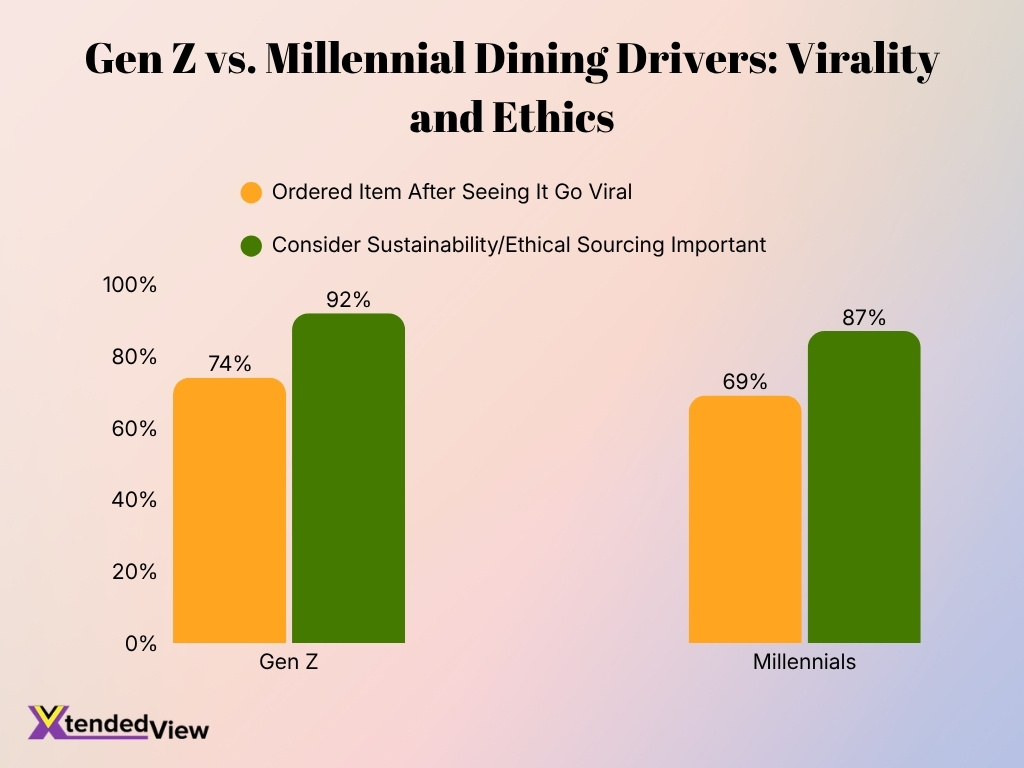
- Viral content has a direct purchase connection: 74% of Gen Z and 69% of millennials said they had ordered a restaurant item after seeing it go viral on social media.
- Sustainability also differentiates younger diners: 92% of Gen Z and 87% of millennials considered sustainability and ethical sourcing important when deciding where to eat. Social content about sourcing, waste reduction or packaging can therefore address priorities beyond food aesthetics.
Frequently Asked Questions (FAQs)
50% of diners said social media played a role in discovering a restaurant, rising to 56% among urban diners and falling to 42% among rural diners.
50% of U.S. adults use Instagram, including 80% of adults ages 18 to 29 and 62% of those ages 30 to 49.
37% of U.S. adults use TikTok, up from 21% in 2021, while usage reaches 63% among adults younger than 30.
64% of surveyed U.S. diners said they had tried a new restaurant in the previous month, compared with 39% in 2024, a 25-percentage-point increase.
56% of urban diners said social media played a role in restaurant discovery, compared with 50% of diners overall and 42% of rural diners.
Conclusion
Restaurant social media is increasingly tied to discovery, reputation, and measurable customer actions rather than follower counts alone. Social discovery is especially strong among younger diners, with 77% of Gen Z and 67% of millennials typically learning about new restaurants through social media, while 74% of Gen Z and 69% of millennials have ordered a restaurant item after seeing it go viral. Video, reviews, user-generated content, and paid campaigns can all influence visits and purchases, but the most effective strategy remains one built around customer demographics, authentic interaction, strong visual content, and measurable conversions.
