


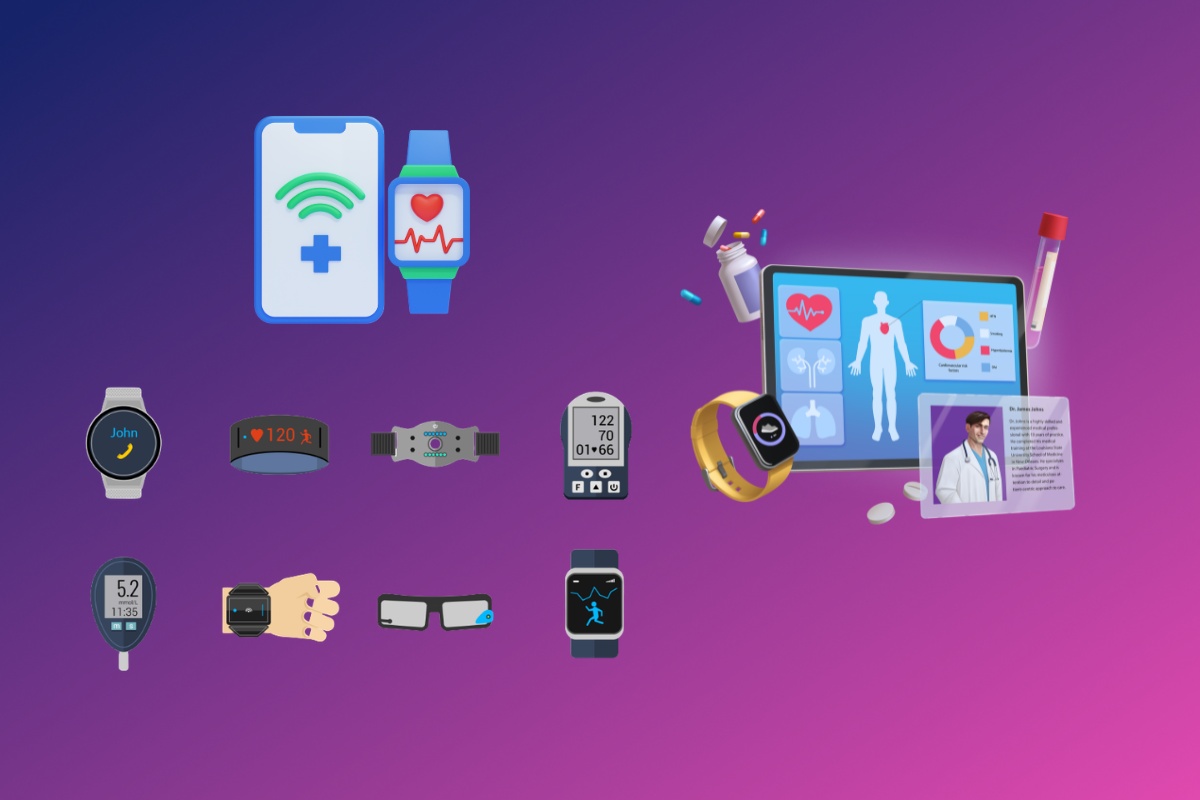
Wearable medical devices have evolved from simple fitness trackers into powerful health-monitoring tools that support chronic disease management, remote patient monitoring, and preventive healthcare. Hospitals, insurers, and healthcare providers increasingly use wearable data to track patient outcomes, while consumers rely on smartwatches, biosensors, and connected medical devices to monitor daily health metrics.
As AI-powered analytics and remote care models expand, wearable medical devices continue to reshape healthcare delivery across the United States and worldwide. Explore the latest statistics, market trends, and adoption data driving this fast-growing industry.
Editor’s Choice
- The global wearable medical devices market is projected to reach $117.41 billion in 2026, up from $103.04 billion in 2025.
- Another industry forecast estimates the market at $54 billion in 2026, highlighting strong growth across medical-grade wearable segments.
- The wearable healthcare devices market reached $45.29 billion in 2025, compared with $41.07 billion in 2024.
- Global wearable device shipments grew 9.1% year over year in 2025, reaching 611.5 million units.
- North America accounted for 45.7% of the wearable medical devices market in 2025, maintaining its position as the largest regional market.
- Wearable device adoption among surveyed adults increased to 36.4% in 2022, up from approximately 28%–30% in 2019.
- Smartwatch shipments reached approximately 175 million units in 2025, vastly exceeding smart ring shipments of about 4 million units.
- Around 88% of physicians want patients to monitor health parameters from home using connected technologies.
- More than 80% of wearable users indicate a willingness to share health data with healthcare providers.
Recent Developments
- Oura introduced its fifth-generation smart ring in 2026, featuring a design approximately 40% smaller than its predecessor.
- Oura reported approximately $1 billion in revenue during 2025, reflecting rapid growth in health-focused wearables.
- The company has sold 5.5 million smart rings across more than 150 countries.
- Global smart ring shipments reached roughly 4 million units in 2025, more than doubling over the previous two years.
- Worldwide wearable device shipments climbed to 611.5 million units in 2025, supported by new product launches and refresh cycles.
- Healthcare wearables increasingly incorporate AI-driven features for sleep tracking, heart monitoring, stress analysis, and predictive health insights.
- Large-scale wearable health studies now include datasets from approximately 141,000 participants, improving AI model development for biosignal analysis.
- Major wearable brands expanded integrations with telehealth and remote patient monitoring ecosystems throughout 2025 and 2026.
- Consumer demand continues shifting toward devices that combine wellness tracking with clinically relevant health monitoring.
Wearable Medical Devices Market Growth Statistics
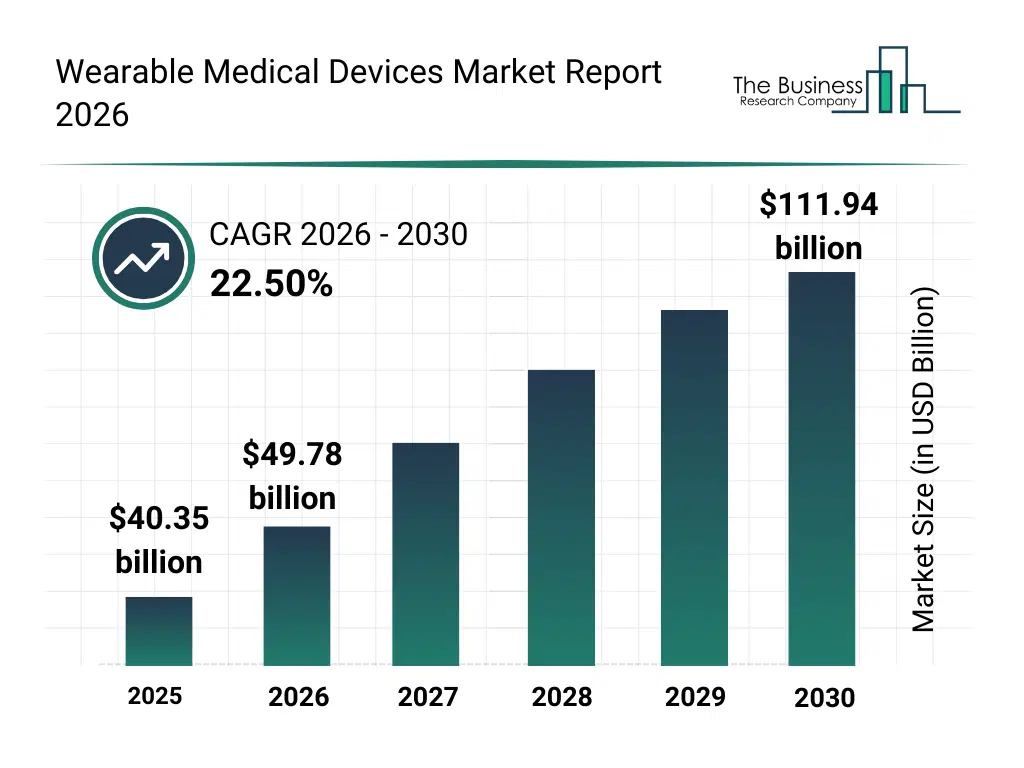
- The global wearable medical devices market was valued at $40.35 billion in 2025, highlighting strong demand for connected healthcare technologies.
- The market is projected to reach $49.78 billion in 2026, representing an increase of $9.43 billion in just one year.
- Between 2026 and 2030, the market is expected to grow at a robust 22.50% CAGR, reflecting rapid industry expansion.
- By 2027, the wearable medical devices market is estimated to surpass $60 billion, driven by increasing adoption of remote patient monitoring solutions.
- The market is forecast to reach approximately $75 billion in 2028, showing sustained growth across healthcare and consumer health segments.
- In 2029, global market value is expected to exceed $90 billion, fueled by advancements in biosensors and AI-powered wearables.
- The wearable medical devices industry is projected to hit $111.94 billion by 2030, nearly 2.8 times larger than its 2025 size.
- From 2025 to 2030, the market is anticipated to add over $71.59 billion in new value, demonstrating significant commercial opportunities.
- The market is expected to grow by roughly 177% between 2025 and 2030, making it one of the fastest-growing segments in digital health.
- Rising demand for remote patient monitoring, chronic disease management, and real-time health tracking continues to accelerate market growth worldwide.
Projected Growth and CAGR for Wearable Medical Devices
- The wearable medical devices market is forecast to grow at a 25.53% CAGR between 2025 and 2030.
- Another industry forecast projects a 20% CAGR from 2026 to 2034.
- Global wearable medical devices revenue could rise from $117.41 billion in 2026 to $505.28 billion by 2034.
- A separate forecast estimates market expansion from $54 billion in 2026 to $153.53 billion by 2033.
- The wearable healthcare devices segment is expected to expand at a 10.9% CAGR during the forecast period.
- Another market study forecasts a 15% CAGR from 2026 to 2034.
- The broader wearable technology market is projected to grow at a 12.1% CAGR between 2026 and 2033.
- Asia-Pacific is expected to record the fastest growth rate among major regions due to expanding telehealth infrastructure and chronic disease management programs.
- The increasing prevalence of cardiovascular disease, diabetes, obesity, and aging populations continues to accelerate market growth globally.
Consumer Adoption Rates for Wearable Medical Devices
- Wearable device adoption increased to 36.36% of surveyed adults in 2022, compared with approximately 28%–30% in 2019.
- Around 30% of American adults reported using wearable technology for healthcare-related purposes.
- Nearly 50% of wearable users report depending on wearable technology in daily life.
- Approximately 39% of consumers reported owning a smartwatch in a major connectivity survey.
- Global wearable device shipments reached 611.5 million units in 2025, indicating continued consumer demand.
- Wearable market shipments were estimated at around 560 million devices in 2024 globally.
- About 92% of smartwatch users actively use health-tracking features.
- More than 80% of users are willing to share wearable-generated health data with healthcare professionals.
- Demand for wearable devices continues to rise as consumers focus more on preventive health management and fitness monitoring.
User Demographics for Wearable Medical Devices
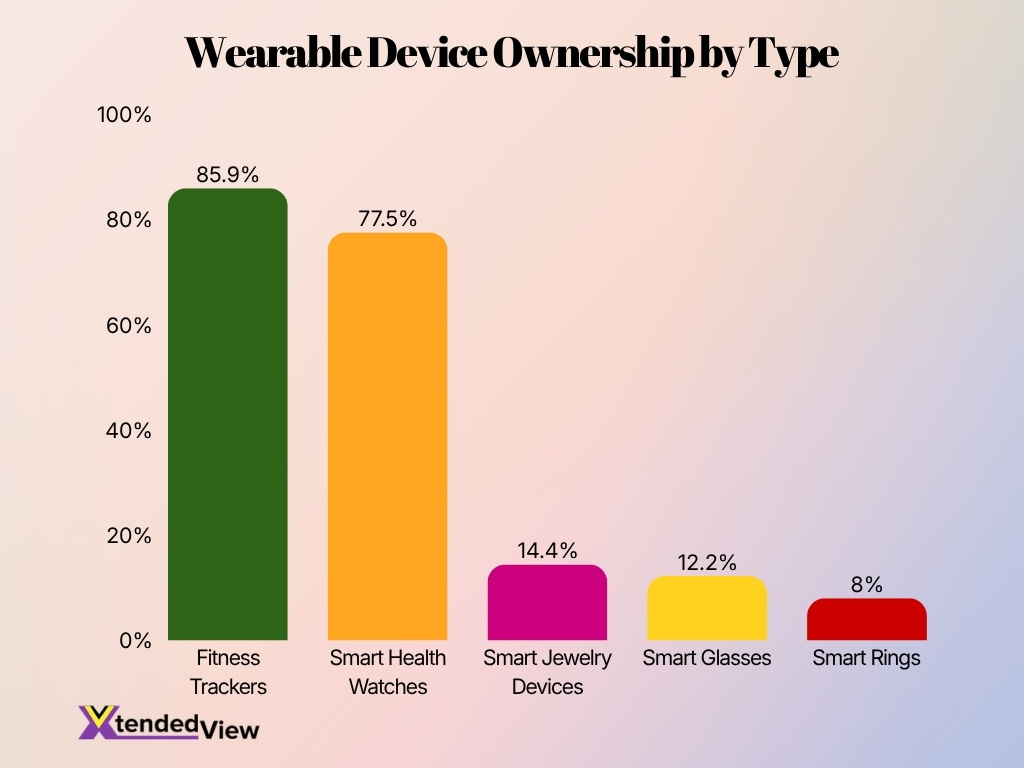
- A recent study found 85.9% ownership of fitness trackers among surveyed participants.
- Data shows 77.5% ownership of smart health watches among the same user group.
- Approximately 14.4% of respondents report using smart jewelry devices for health tracking.
- Around 12.2% of participants use smart glasses for connected health and lifestyle functions.
- General survey data indicates 44.5% of consumers currently own a wearable medical device.
- Smart watches remain the most popular overall, with 43% of respondents owning a device.
- Connected blood pressure cuffs and smart scales are actively used by 13% of consumers.
- Continuous glucose monitors are utilized by 9% of surveyed users for chronic disease management.
- Smart rings have a growing demographic, currently owned by 8% of respondents.
- Over 59% of wearable users actively discuss their device data with a healthcare provider.
Wearable Medical Devices Market Share by Product Type
- Diagnostic and monitoring devices accounted for approximately 61% of the global wearable medical devices market in 2025, making them the largest product category.
- Wearable diagnostic devices generated more than $25 billion in annual revenue during 2025.
- Smartwatches represented over 30% of all wearable healthcare device shipments worldwide in 2025.
- Continuous glucose monitoring (CGM) systems remained one of the fastest-growing categories, recording annual growth above 15% in 2025.
- Therapeutic wearables, including insulin pumps and pain-management devices, accounted for approximately 22% of total market revenue in 2025.
- Wearable ECG monitors experienced shipment growth of nearly 18% year over year in 2025.
- Smart rings represented less than 1% of total wearable shipments, but the segment grew faster than most established categories during 2025.
- Wearable biosensors generated roughly $8 billion in revenue globally during 2025.
- Fitness and wellness wearables continued to dominate unit sales, accounting for more than 50% of consumer wearable purchases globally.
Wearable Medical Devices Statistics by Clinical Application
- Cardiovascular monitoring remained the leading clinical application segment, accounting for approximately 28% of wearable medical device revenue in 2025.
- Diabetes management represented nearly 25% of the clinical wearable market due to rising CGM adoption.
- Remote patient monitoring solutions supported over 70 million patients globally in 2025.
- Sleep monitoring devices became one of the fastest-growing applications, with annual growth exceeding 16%.
- More than 422 million people worldwide live with diabetes, creating substantial demand for wearable glucose monitoring technologies.
- Wearable devices used for arrhythmia detection demonstrated diagnostic accuracy rates exceeding 90% in several clinical studies.
- Chronic disease management applications generated over 40% of wearable healthcare revenues in 2025.
- Respiratory monitoring wearables experienced adoption growth of approximately 14% year over year following increased demand for at-home care.
- Neurological monitoring wearables, including seizure detection devices, expanded steadily as AI-assisted diagnostics improved.
Wearable Medical Device Adoption by Education Level
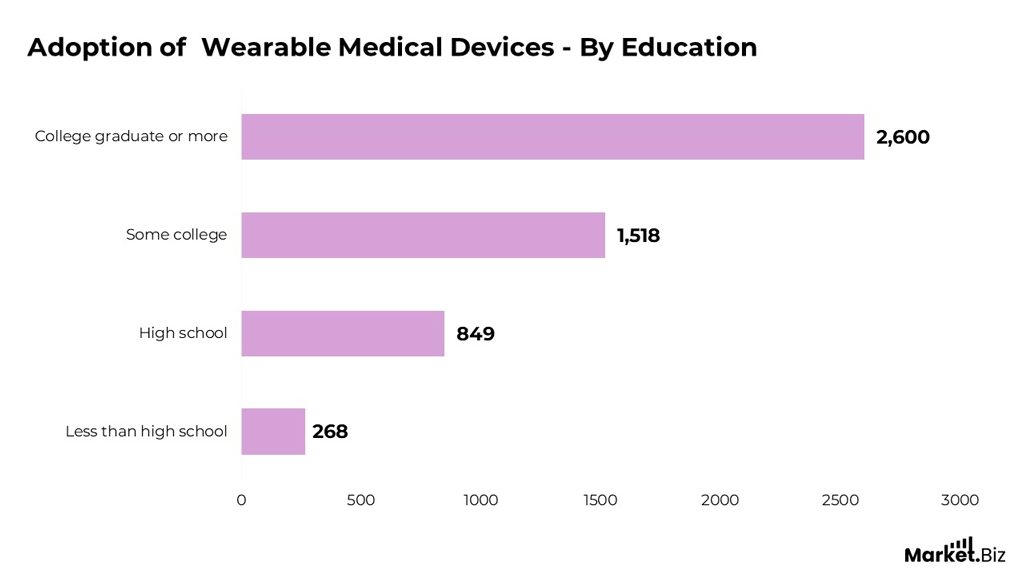
- Individuals with a college degree or higher recorded the highest adoption of wearable medical devices, with 2,600 users, highlighting strong uptake among highly educated consumers.
- Some college segment accounted for 1,518 users, making it the second-largest group of wearable medical device adopters.
- People with a high school education reported 849 users, representing a substantially lower adoption rate compared to those with post-secondary education.
- The less than high school category had the lowest adoption level, with just 268 users using wearable medical devices.
- Adoption among college graduates or more was approximately 72% higher than among individuals with some college education (2,600 vs. 1,518 users).
- Wearable medical device usage among college graduates was more than 3 times higher than among high school graduates (2,600 vs. 849 users).
- Compared to the less than high school group, adoption among college graduates was nearly 10 times greater (2,600 vs. 268 users).
- The data shows a clear correlation between higher educational attainment and greater adoption of wearable healthcare technology.
- Individuals with post-secondary education (some college or higher) collectively account for 4,118 users, significantly outpacing the 1,117 users with a high school education or less.
- These findings suggest that education level is a key factor influencing awareness, accessibility, and adoption of wearable medical devices.
Smartwatches and Health Wearables Statistics
- Global smartwatch shipments reached approximately 175 million units in 2025.
- More than 92% of smartwatch owners actively use health-monitoring features.
- Heart-rate monitoring remains the most-used smartwatch health feature, utilized by over 80% of users.
- Nearly 39% of consumers reported owning a smartwatch in recent consumer technology surveys.
- Smartwatches equipped with ECG functionality now support users in more than 100 countries and regions.
- Global smartwatch revenue exceeded $44 billion in 2025.
- Sleep tracking features are used by roughly 65% of smartwatch owners.
- AI-powered health insights and wellness recommendations have become standard features in many premium smartwatch models introduced during 2025 and 2026.
- Smartwatches account for the majority of wearable-generated health data shared with healthcare providers.
Continuous Glucose Monitoring (CGM) Device Statistics
- The global CGM market exceeded $12 billion in 2025, driven by increased diabetes prevalence.
- More than 6 million people worldwide use CGM systems regularly.
- CGM adoption among insulin-treated patients in the United States surpassed 45% in 2025.
- The CGM market is expected to grow at a CAGR exceeding 10% through 2030.
- Diabetes affects approximately 38.4 million Americans, increasing demand for continuous monitoring technologies.
- Studies show CGM use can reduce HbA1c levels by approximately 0.5% to 1% among diabetes patients.
- Real-time CGM devices account for more than 75% of total CGM sales globally.
- CGM devices can generate up to 288 glucose readings per day, compared with traditional finger-stick testing.
- Integration between CGMs and insulin delivery systems continues to accelerate the adoption of automated diabetes management platforms.
Wearable Healthcare Technology Market Share Statistics
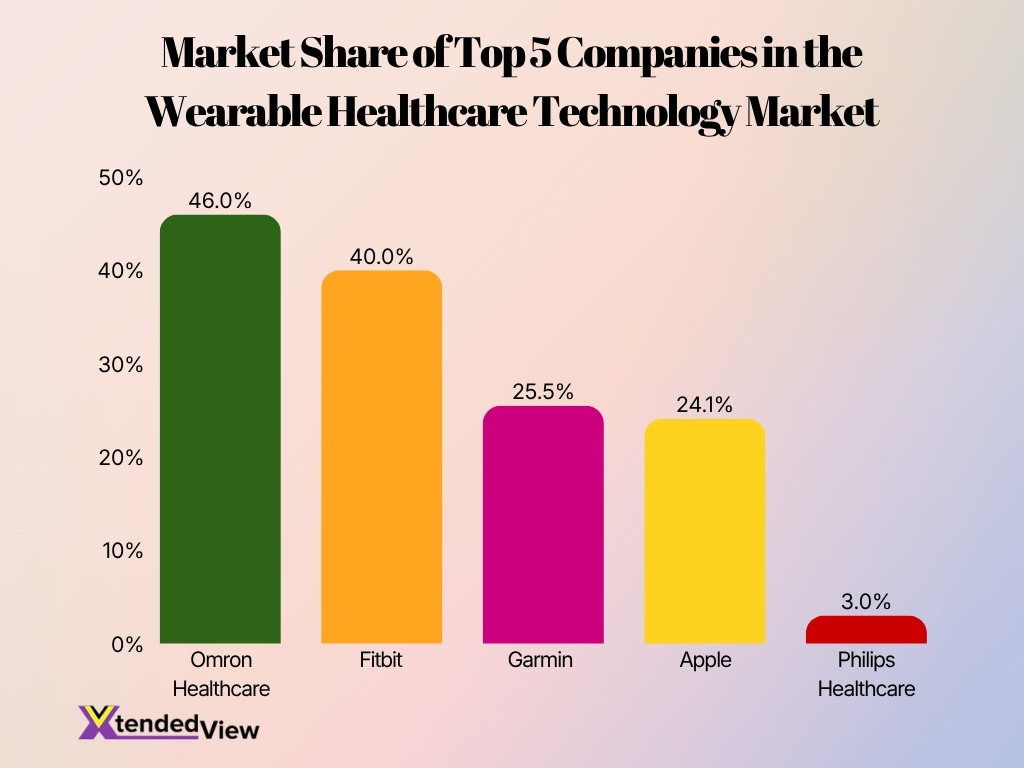
- Omron Healthcare leads the wearable healthcare technology market with a 46.0% market share, making it the most dominant player among the top companies.
- Fitbit holds the second-largest position with a 40.0% market share, remaining a major force in consumer health tracking devices.
- Garmin accounts for 25.5% of the market, reflecting its strong presence in fitness and health monitoring wearables.
- Apple captures 24.1% market share, driven by the widespread adoption of the Apple Watch and its health-focused features.
- Philips Healthcare holds a comparatively small 3.0% share, indicating a more specialized role within the wearable healthcare segment.
- The gap between the market leader Omron Healthcare (46.0%) and Fitbit (40.0%) is 6 percentage points, highlighting intense competition at the top.
- Garmin and Apple have closely matched market positions, with only a 1.4 percentage point difference between their shares.
- The combined market share of Omron Healthcare and Fitbit reaches 86.0%, demonstrating significant concentration among the leading companies.
- Omron Healthcare’s share is more than 15 times larger than Philips Healthcare’s 3.0% share, underscoring the disparity between major and niche players.
- The data suggests that the wearable healthcare technology market is heavily influenced by a few dominant brands, particularly Omron Healthcare, Fitbit, Garmin, and Apple.
Cardiac Monitoring Wearable Statistics
- Cardiovascular diseases remain the leading cause of death globally, responsible for approximately 17.9 million deaths annually.
- The wearable cardiac monitoring market exceeded $4 billion in 2025.
- More than 12 million Americans are estimated to live with atrial fibrillation, a key target for wearable cardiac monitoring.
- Smartwatch ECG features have demonstrated sensitivity rates above 90% in detecting atrial fibrillation.
- Remote cardiac monitoring programs reduced hospital readmissions by as much as 20% in several healthcare studies.
- Wearable ECG patch monitors can continuously record cardiac activity for up to 14 days.
- Cardiac monitoring devices represented approximately one-quarter of clinical wearable revenues in 2025.
- AI-assisted cardiac wearables increasingly support early detection of arrhythmias and heart rhythm abnormalities.
- Demand for cardiac wearables continues to grow due to aging populations and increased prevalence of heart disease.
Remote Patient Monitoring Using Wearable Medical Devices
- The global remote patient monitoring market surpassed $38 billion in 2025.
- More than 70 million patients worldwide used remote monitoring solutions in 2025.
- Approximately 88% of physicians support patient monitoring from home using connected health technologies.
- Remote monitoring programs can reduce hospital admissions by up to 38% in chronic disease populations.
- Nearly 75% of healthcare organizations have implemented or expanded remote patient monitoring initiatives.
- Medicare reimbursement support accelerated the adoption of wearable-based monitoring programs across the United States.
- Remote patient monitoring significantly improves the management of hypertension, diabetes, heart failure, and COPD.
- Wearables can transmit patient data in near real time, enabling earlier clinical intervention and reducing emergency visits.
- AI-powered RPM platforms increasingly automate risk stratification and patient engagement workflows.
Key Revenue Insights for Wearable Healthcare Technology Devices
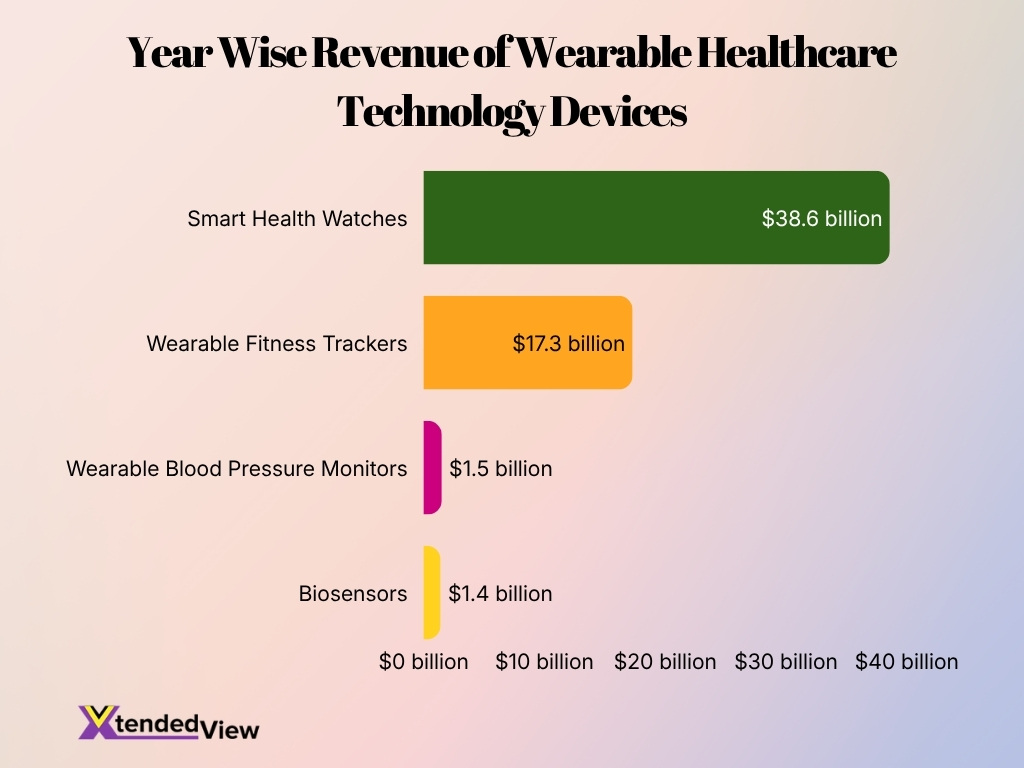
- Smart Health Watches generated the highest revenue at $38.6 billion, making them the dominant segment in the wearable healthcare technology market.
- Revenue from Smart Health Watches was more than 2.2 times higher than that of Wearable Fitness Trackers, highlighting strong consumer demand for multifunctional health monitoring devices.
- Wearable Fitness Trackers recorded $17.3 billion in revenue, securing the second-largest share among wearable healthcare devices.
- Wearable Blood Pressure Monitors generated $1.5 billion in revenue, reflecting growing adoption for continuous cardiovascular health monitoring.
- Biosensors contributed $1.4 billion in revenue, making them the smallest segment among the categories analyzed.
- The revenue gap between Smart Health Watches ($38.6 billion) and Biosensors ($1.4 billion) was $37.2 billion, demonstrating the market’s preference for consumer-friendly wearable devices.
- Combined revenue from Smart Health Watches and Wearable Fitness Trackers reached $55.9 billion, accounting for the vast majority of revenue across the listed device categories.
- The difference in revenue between Wearable Fitness Trackers ($17.3 billion) and Wearable Blood Pressure Monitors ($1.5 billion) was $15.8 billion.
- Smart Health Watches generated approximately 27.6 times more revenue than Biosensors, emphasizing their strong market penetration and broader functionality.
- The data indicates that consumer-focused wearables, particularly smartwatches and fitness trackers, continue to drive growth and innovation in the wearable healthcare technology industry.
Healthcare Provider Adoption Statistics
- Approximately 88% of physicians support using wearable and connected health technologies to monitor patients remotely.
- Nearly 75% of healthcare organizations have implemented or expanded remote patient monitoring programs that incorporate wearable devices.
- Around 73% of healthcare leaders report that wearable-generated data improves patient engagement and adherence to treatment plans.
- More than 60% of U.S. hospitals use remote monitoring technologies in at least one clinical department.
- Healthcare providers using wearable-enabled monitoring have reported reductions in hospital readmissions ranging from 15% to 20% among chronic disease patients.
- Approximately 69% of physicians believe wearable health data can improve preventive care outcomes.
- Over 50% of cardiologists report incorporating wearable ECG data into patient evaluations.
- Adoption of wearable-based chronic disease management programs increased by roughly 18% year over year in 2025.
- More than 80% of clinicians expect wearable health monitoring to play a larger role in patient care over the next five years.
Investment and Funding Statistics for Wearable Medical Devices
- Global digital health funding exceeded $10 billion in 2025, with wearables remaining a top investment category.
- Venture capital investments in wearable medical device startups surpassed $2 billion annually during recent funding cycles.
- The global wearable medical devices market is projected to reach a massive $505.28 billion by 2034.
- Health tracking company Oura achieved a valuation exceeding $5 billion following recent funding activity and revenue growth.
- Wearable monitoring startups represented approximately 15% of all healthcare technology venture investments in 2025.
- More than 200 wearable health startups globally secured institutional funding rounds between 2024 and 2025.
- Remote patient monitoring platforms attracted heavy corporate investments and now hold a 33.5% market share.
- Diagnostic and monitoring devices dominated the funding landscape by capturing 63.6% of the total wearable market revenue.
AI Adoption Trends in Medical Wearables
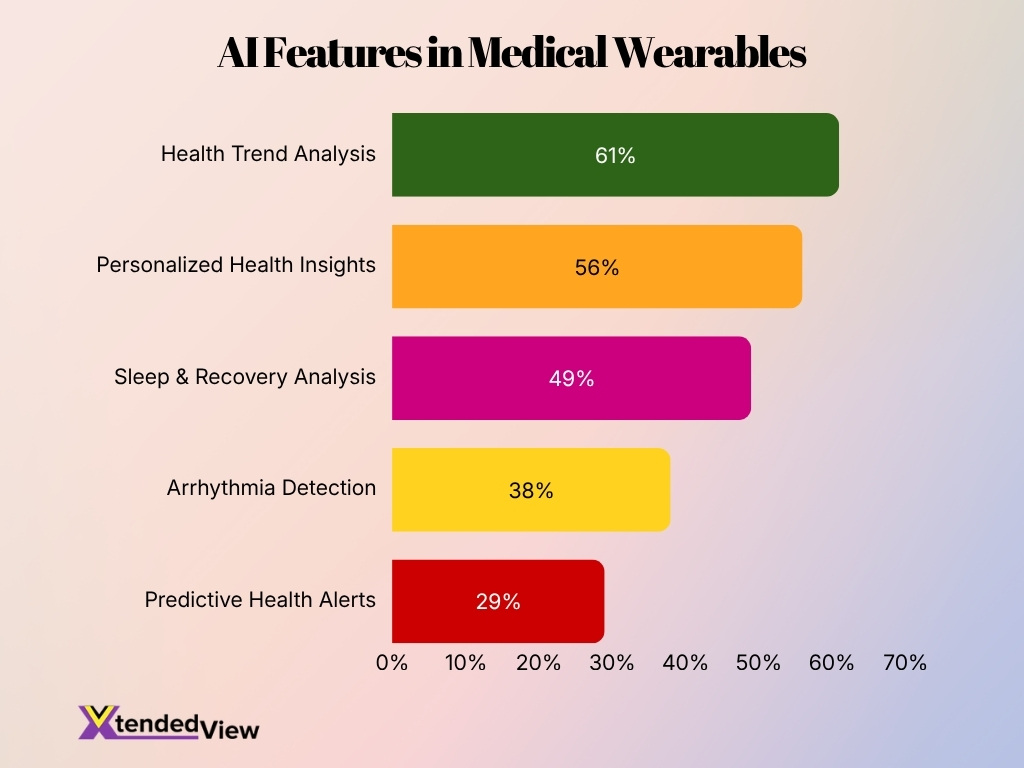
- Health Trend Analysis is the most widely adopted AI feature, with 61% of medical wearables using AI to track and interpret long-term health patterns.
- 56% of wearable devices now offer Personalized Health Insights, enabling users to receive customized recommendations based on their health data.
- Nearly half of all AI-powered wearables (49%) include Sleep & Recovery Analysis, highlighting the growing focus on wellness and preventive healthcare.
- Arrhythmia Detection has reached 38% adoption, demonstrating increasing use of AI for identifying potential heart rhythm abnormalities and supporting early intervention.
- Around 29% of medical wearables provide Predictive Health Alerts, allowing users to receive warnings about potential health risks before symptoms become severe.
- The gap between the top feature, Health Trend Analysis (61%), and Predictive Health Alerts (29%) is 32 percentage points, showing that advanced predictive capabilities are still in the early stages of adoption.
- More than one in three wearable devices now incorporate AI-driven cardiac monitoring features such as Arrhythmia Detection, reflecting rising demand for cardiovascular health tracking.
- The combined adoption of Personalized Health Insights (56%) and Sleep & Recovery Analysis (49%) indicates that AI is increasingly being used to improve both daily wellness management and long-term health outcomes.
- AI features focused on data interpretation and personalized recommendations currently see higher adoption rates than more complex predictive and diagnostic capabilities.
- The data suggests that medical wearable manufacturers are prioritizing user engagement, preventive care, and actionable health insights as key areas for AI integration.
Economic Impact of Wearable Medical Devices on Healthcare
- Remote patient monitoring can reduce healthcare costs by up to $11,000 per patient annually in chronic care settings.
- Wearable monitoring programs lower hospital treatment costs by 15% to 20% through significantly reduced readmissions.
- Wearable interventions target chronic diseases, which account for approximately 90% of U.S. healthcare spending.
- Continuous remote monitoring reduces emergency department visits by nearly 25% among high-risk patients.
- The global wearable medical device market is projected to exceed $156 billion in economic value by 2032.
- Utilizing wearables in clinical trials reduces data collection costs by an estimated 15% to 20%.
- Employer-sponsored wearable wellness programs can yield an ROI of up to $3 for every $1 spent on healthcare.
- Connected health devices can decrease average per-patient hospital costs by approximately 16% annually.
Data Privacy and Consumer Trust in Wearable Medical Devices
- More than 80% of wearable users say they are willing to share health data with healthcare providers when appropriate safeguards exist.
- Approximately 65% of consumers express concerns about how wearable-generated health information is stored and shared.
- Data privacy remains one of the top three barriers to wearable healthcare adoption globally.
- Around 70% of consumers indicate that transparent privacy policies increase trust in wearable health technologies.
- Healthcare data breaches affected more than 180 million individuals in the United States during 2024, increasing awareness of digital privacy risks.
- Nearly 60% of wearable users want greater control over how health information is shared with third parties.
- Regulatory frameworks such as HIPAA, GDPR, and evolving AI governance standards continue shaping wearable health data management practices.
- Device manufacturers increasingly use end-to-end encryption and privacy-by-design principles to improve consumer confidence.
- Trust levels tend to be highest when wearable data is shared directly with healthcare providers rather than advertisers or marketing organizations.
Frequently Asked Questions (FAQs)
The global wearable medical devices market is projected to reach $117.41 billion in 2026, up from $103.04 billion in 2025.
The market is expected to grow at a 20.0% CAGR from 2026 to 2034, according to recent industry forecasts.
Global wearable device shipments reached 611.5 million units in 2025, representing 9.1% year-over-year growth.
North America accounted for 45.7% of the global wearable medical devices market in 2025, making it the largest regional market.
The wearable healthcare devices market was valued at $45.29 billion in 2025 and is forecast to reach $75.98 billion by 2030.
Conclusion
Wearable medical devices continue to transform healthcare by connecting patients, providers, and health systems through real-time data and continuous monitoring. Market growth remains strong, supported by rising chronic disease rates, expanding remote patient monitoring programs, increasing healthcare provider adoption, and rapid advances in AI-powered analytics.
Key segments such as smartwatches, continuous glucose monitoring systems, cardiac monitoring wearables, and remote patient monitoring platforms are driving industry expansion. At the same time, healthcare organizations increasingly recognize the economic benefits of wearable technologies through improved patient outcomes, reduced hospitalizations, and more efficient care delivery.
Looking ahead, AI integration, predictive analytics, and personalized healthcare applications will likely define the next phase of growth. As privacy protections improve and clinical validation expands, wearable medical devices are expected to play an even greater role in preventive care, chronic disease management, and digital health ecosystems worldwide.
